01
Oil & gas transmission
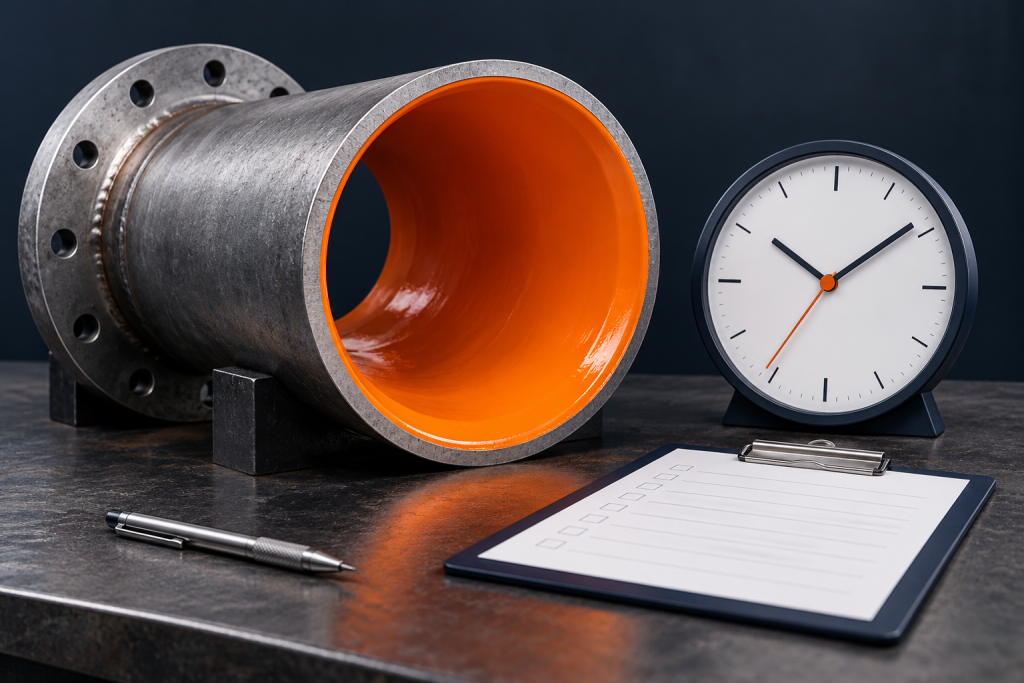
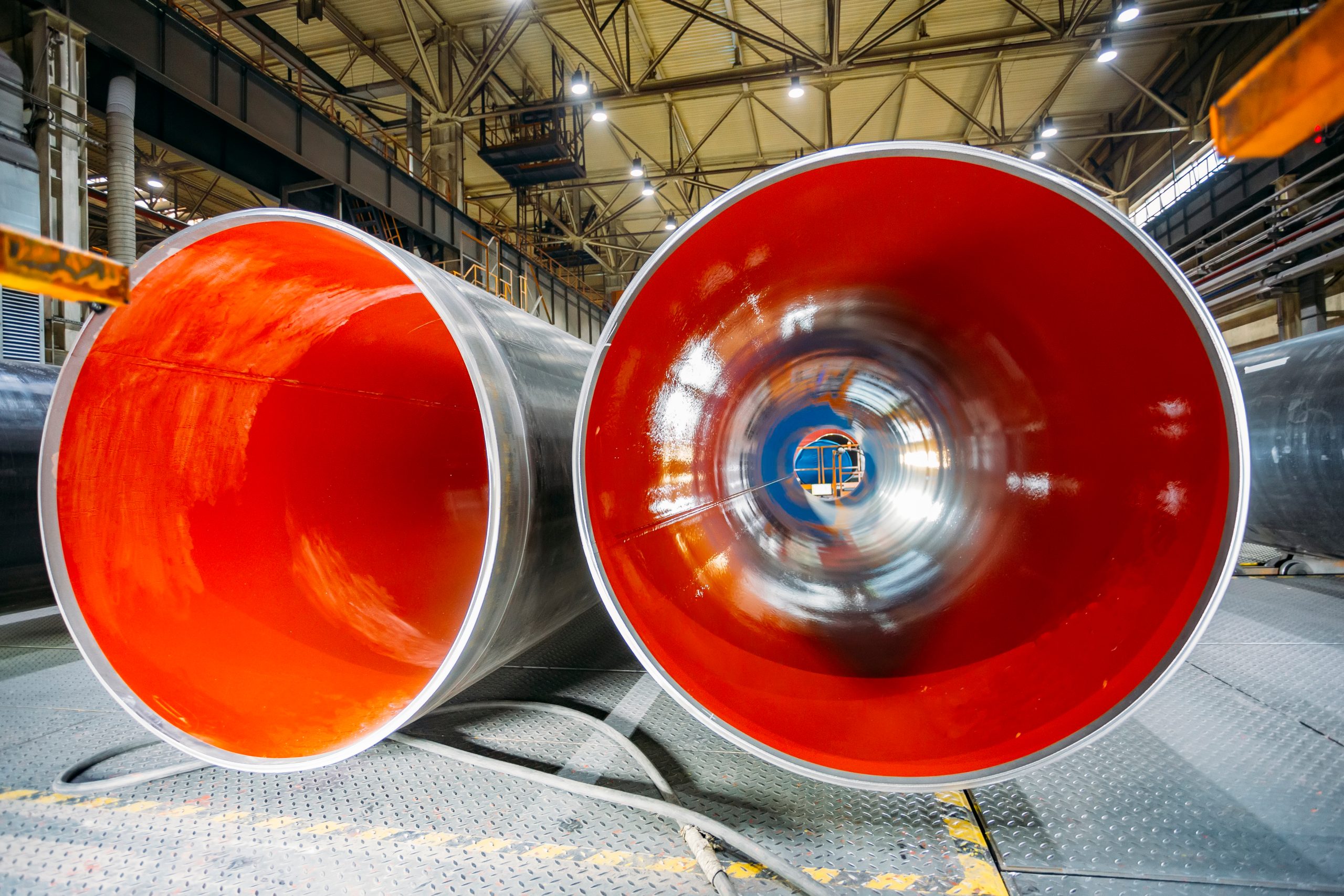
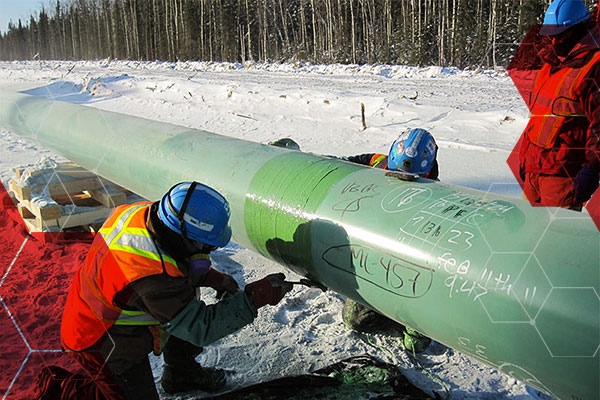
External corrosion protection for new lines, field joints and recoat projects.
Spray-applied polyurea seals corroded, leaking and worn pipe inside and out, and the line is back in service in hours, not weeks. We help contractors start spraying it and help pipeline owners find crews who can.
Part of the ArmorThane polyurea network
Polyurea is sprayed hot through a plural-component gun and cures almost on contact. That speed, plus real flexibility, is why it has become a go-to system for pipe that can't be out of service for long.
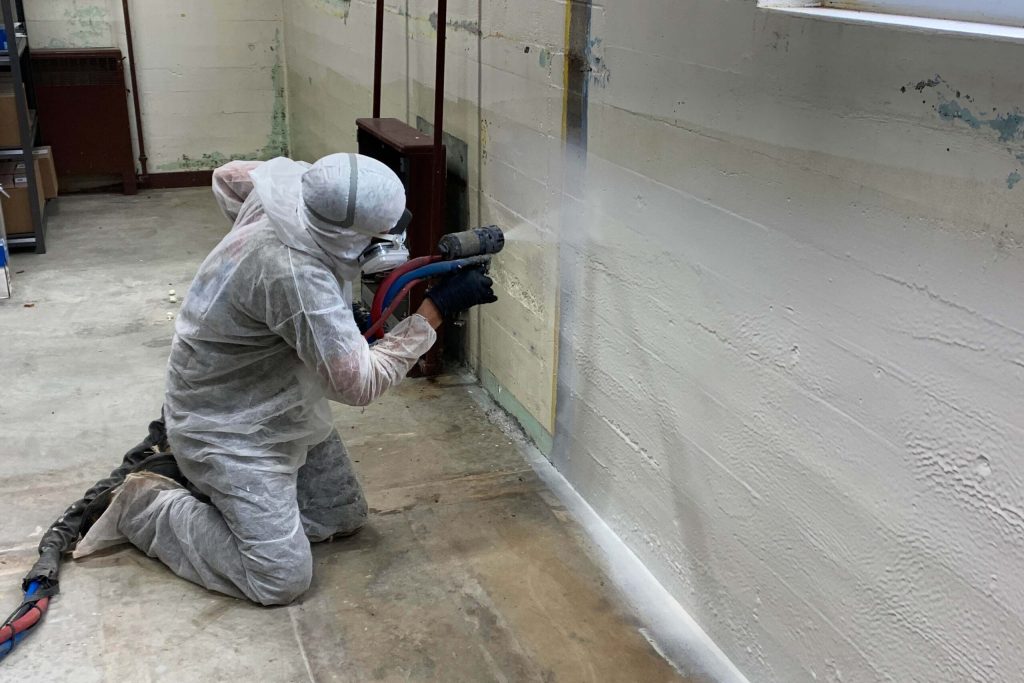
Fast-set systems gel in seconds, so crews build full thickness in one visit and lines go back online quickly.
Seals steel, ductile iron and concrete from the water, soil, chemicals and oxygen that eat pipe.
High elongation lets the coating ride through thermal cycling and ground movement without cracking.
External coatings, internal linings, field joints, culverts and fittings from one material family.
Tough enough for grit, slurry and rocky soil, where thin-film coatings wear through. See where crews are putting it to work.
External corrosion protection for new lines, field joints and recoat projects.
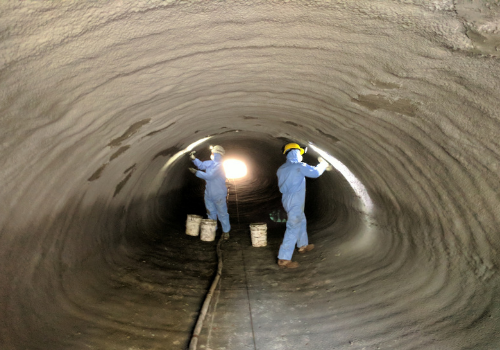
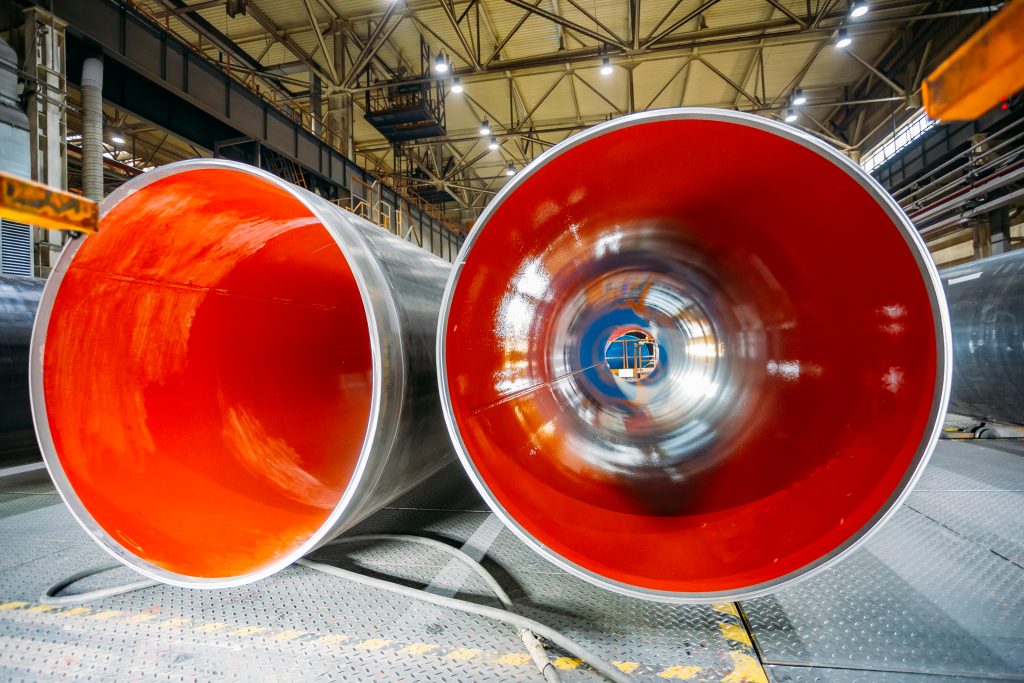
Internal linings that stop leaks and restore flow in large-diameter pipe.
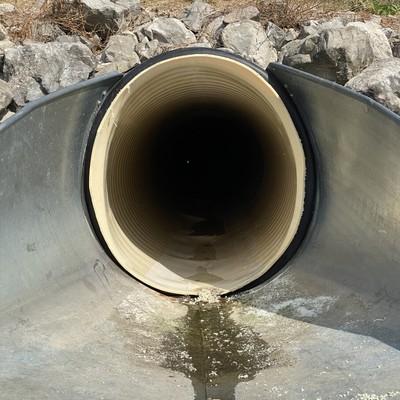
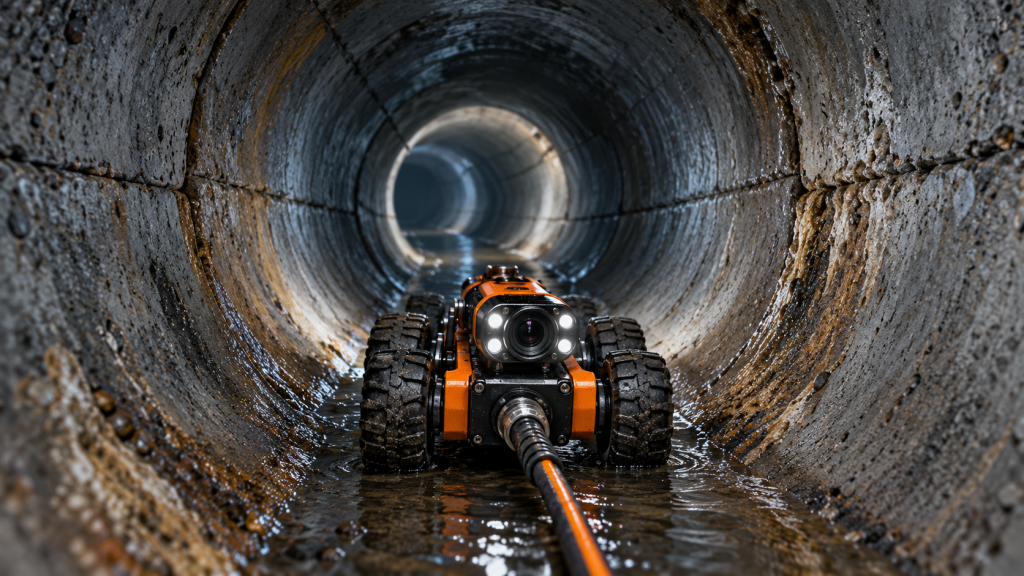
Rehab corroded metal and concrete culverts without digging them up.
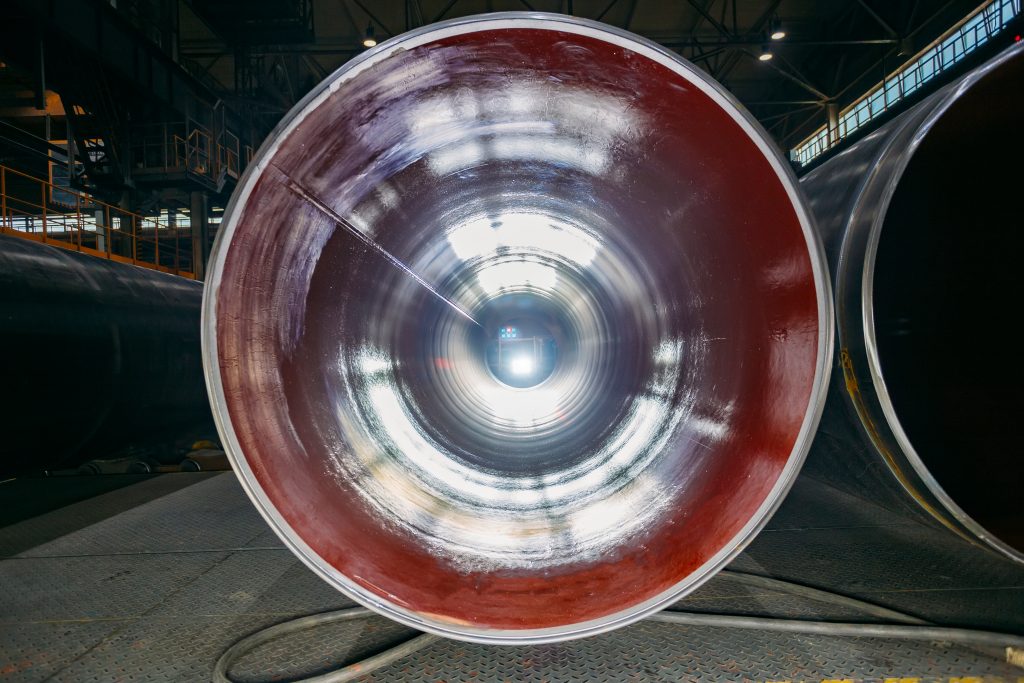
Spin-cast and hand-sprayed linings for steel and ductile iron pipe.
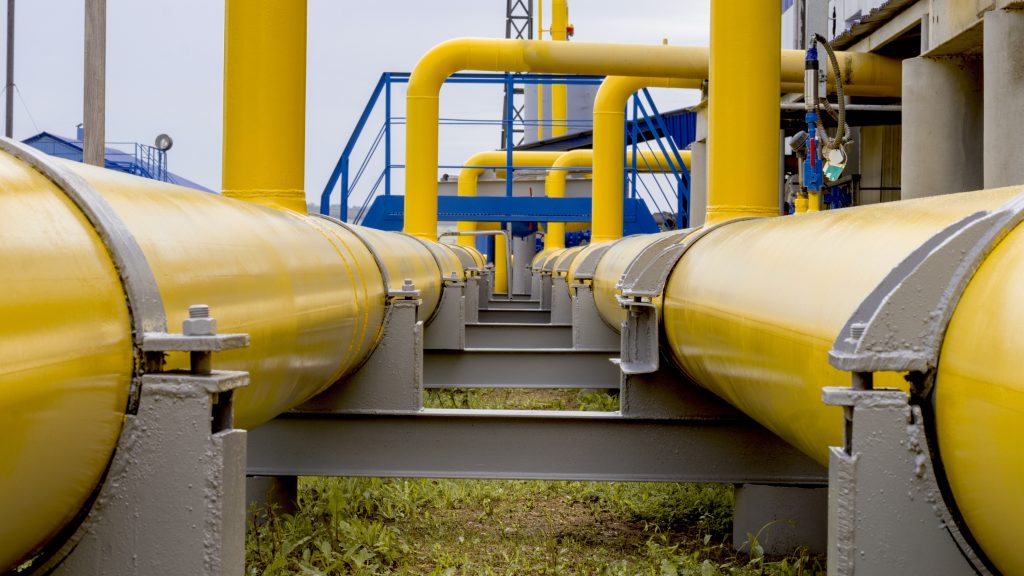
Chemical-resistant coatings for plant piping, racks and supports.
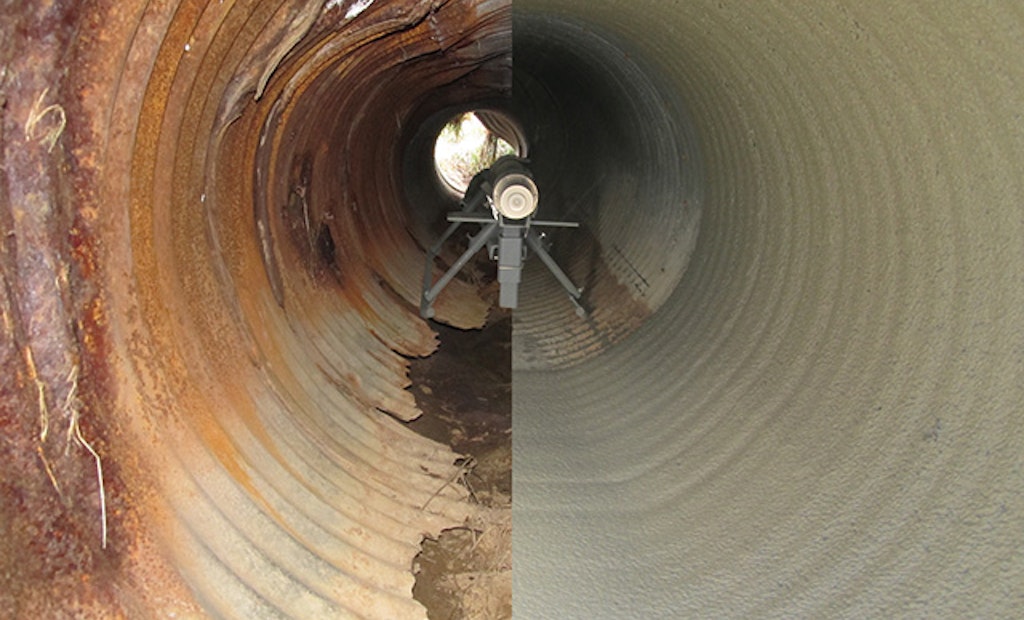
Line the pipe that is already in the ground and skip the excavation.
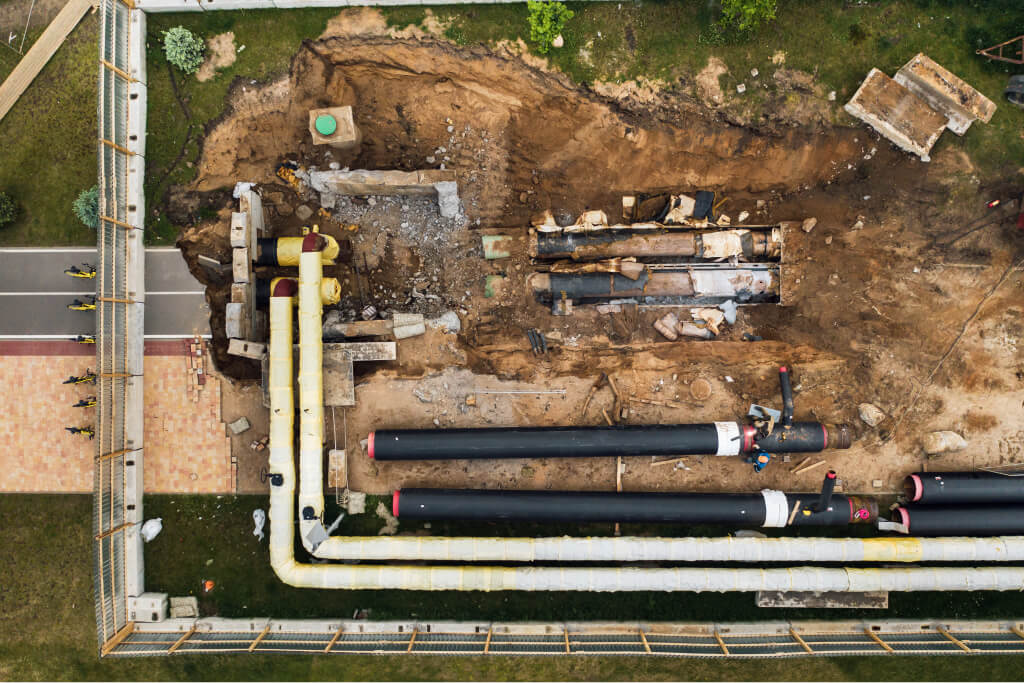
Coat replacement sections, fittings and tie-ins before they go back in the ground.
Tell us the pipe, the size and the service. We'll point you to the right system.
Start here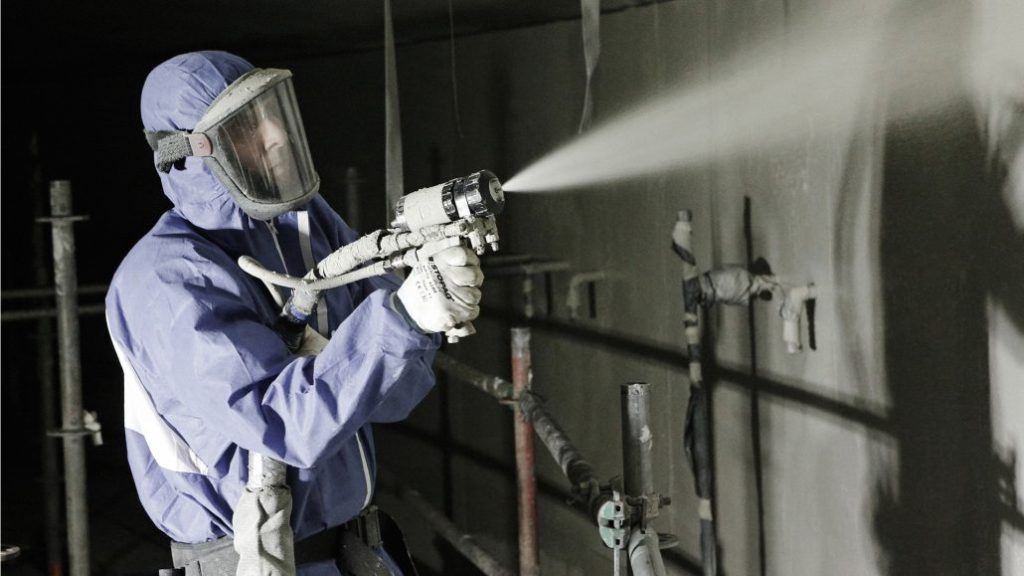
Add a high-value specialty to your business, or launch one from scratch, with the equipment, materials and training behind ArmorThane applicators.
Tell us about the line and we'll connect you with a trained applicator who sprays this kind of work.
About a minute on the form: your project, or the business you want to build.
A pipeline coating specialist follows up to understand the pipe, the service and the goal.
Contractors get rig, training and material options. Owners get connected with a trained applicator.
The coating goes on, cures fast, and the line goes back into service.
Plug in a line and see the surface area, the material it takes and what the job could be worth at your rate.
Planning numbers only. Real coverage depends on surface profile, spray technique, the system you choose and overspray.
Gel time, curing time and return to service describe different milestones. Plan a pipeline lining outage around the approved system, actual conditions,…
How to turn a pre-lining camera survey into a useful rehabilitation scope, with clear records of defects, visibility limits, dimensions, connections, and…
The definitive guide to pipeline rehab coatings — covering polyurea, epoxy, CIPP, surface preparation, quality control, cost analysis, and how to choose…
Don't see yours? Send it over and a pipeline coating specialist will answer it directly.
Ask a specialistPolyurea is a two-component, fast-setting elastomer that is spray-applied with plural-component equipment. It forms a seamless, flexible membrane on steel, ductile iron and concrete pipe, sealing the surface from water, soil, chemicals and abrasion. It can be applied to the outside of a line, as an internal lining, or both.
Yes. Internal linings are one of the most common pipeline rehab uses. Larger diameters can be sprayed by hand from inside the pipe; smaller lines use spin-cast or robotic spray heads that travel down the bore. Proper surface preparation and moisture control matter more than anything else.
Fast-set polyurea gels in seconds and builds full thickness in a single multi-pass application, so lines often return to service the same day or the next, depending on the system, the service and the owner's inspection requirements.
A plural-component proportioner and spray gun, a way to power and heat it (often a trailer or truck-mounted rig), surface-prep equipment, training, and a supply of pipeline-grade material. The ArmorThane team can walk you through rig options, hands-on training and materials sized to the work you want to chase.
Yes. Through the ArmorThane network you can get spray rigs, materials and hands-on applicator training, plus marketing support once you start bidding pipeline work.
Use the form on this page and choose "I need a pipeline coated". Tell us the pipe type, size and location and we will connect you with a trained applicator for that kind of work.
Tell us what you're working on. We'll take it from there.