The Industry’s Most Comprehensive Resource on Pipeline Rehab Coatings Technology
Pipeline rehab coatings are the backbone of modern infrastructure preservation. As aging pipelines across water, wastewater, oil, gas, and industrial sectors approach the end of their design life, pipeline rehabilitation coating systems offer a cost-effective, durable, and environmentally responsible alternative to full pipe replacement. This definitive guide explores every aspect of pipeline rehab coatings — from surface preparation and material selection to application techniques, quality control, and regulatory compliance — giving engineers, contractors, asset owners, and specifiers everything they need to make informed decisions.
📄 Table of Contents
- 1. What Are Pipeline Rehab Coatings?
- 2. Types of Pipeline Rehabilitation Coating Systems
- 3. Surface Preparation: The Foundation of Success
- 4. Application Methods and Techniques
- 5. Polyurea Pipeline Coatings: The Gold Standard
- 6. Epoxy Pipeline Coatings
- 7. CIPP and Structural Liner Coatings
- 8. Quality Control and Inspection
- 9. Cost Analysis: Rehab vs. Replacement
- 10. Regulatory Standards and Compliance
- 11. Real-World Case Studies
- 12. How to Choose the Right Pipeline Rehab Coating System
- 13. FAQs About Pipeline Rehab Coatings
What Are Pipeline Rehab Coatings?
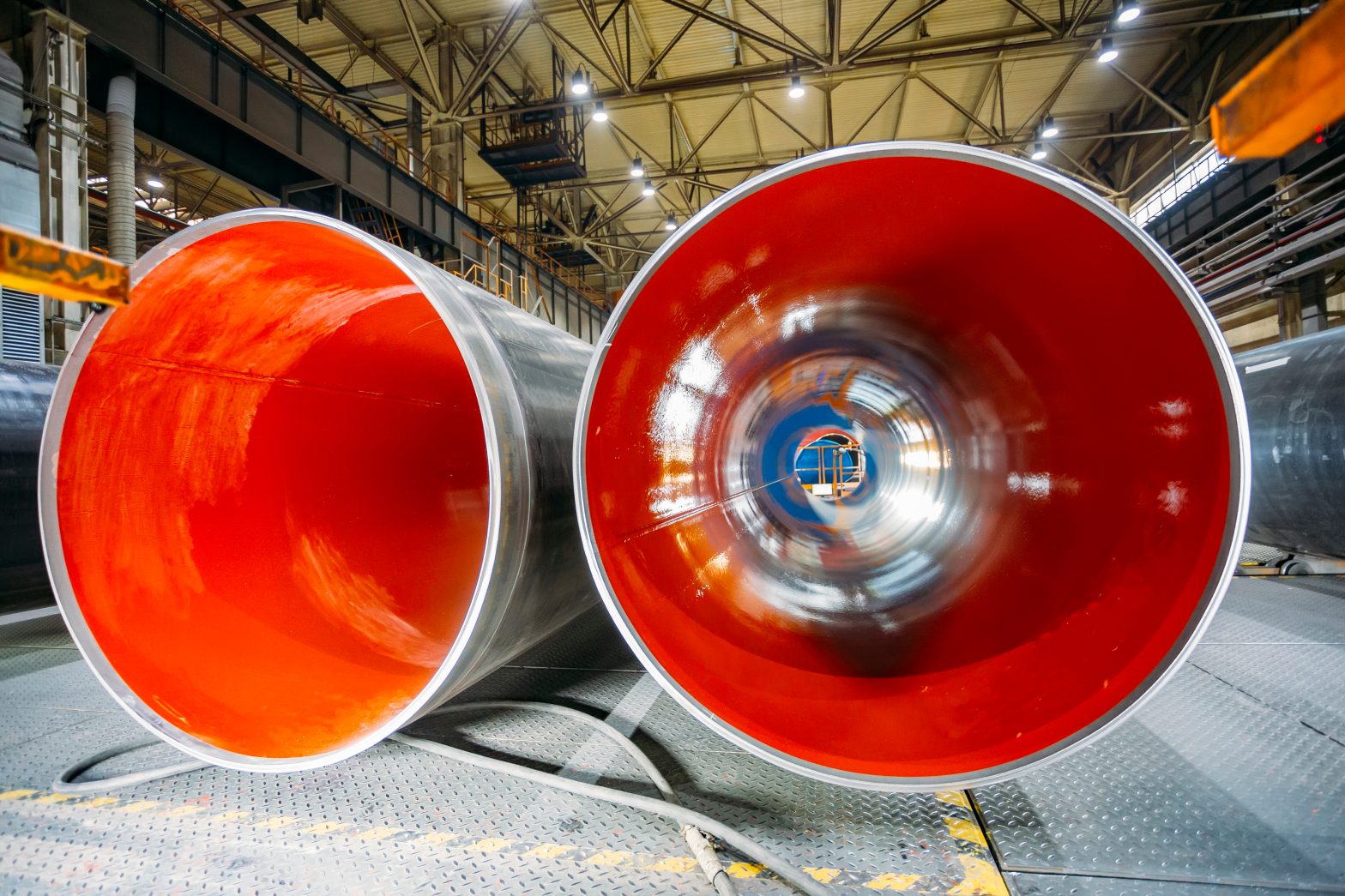
Pipeline rehab coatings — also referred to as pipeline rehabilitation coatings, pipe lining coatings, or pipeline renewal coatings — are specialized protective and structural coating systems applied to the interior or exterior surfaces of existing pipelines to restore, extend, and enhance their service life. Rather than excavating and replacing deteriorated pipes, pipeline rehab coatings provide a trenchless or minimally invasive solution that dramatically reduces cost, downtime, and environmental disruption.
The global pipeline rehabilitation market is experiencing explosive growth, driven by aging infrastructure, increasingly stringent environmental regulations, and rising replacement costs. According to industry data, the United States alone has over 2.5 million miles of oil and gas pipelines, plus another 1.2 million miles of water and sewer pipelines — the vast majority of which were installed between 1950 and 1980 and are now beyond or approaching their original 50-year design life.
Pipeline rehab coatings address a wide range of degradation mechanisms including corrosion, abrasion, chemical attack, hydrogen sulfide (H₂S) damage, microbiologically induced corrosion (MIC), joint infiltration, and structural deterioration. When properly specified and applied, modern pipeline rehabilitation coating systems can restore structural integrity, re-establish hydraulic capacity, prevent leaks, and deliver service lives of 50 years or more.
Types of Pipeline Rehabilitation Coating Systems
Choosing the right pipeline rehab coating system begins with understanding the distinct categories of products and systems available. Each type of pipeline rehabilitation coating has specific strengths, limitations, and ideal applications. The six primary categories of pipeline rehab coatings include:
🌢 Polyurea Coatings
Ultra-fast cure, extreme flexibility, exceptional chemical resistance. The gold standard for pipeline rehabilitation across water, wastewater, and industrial sectors.
🔌 Epoxy Coatings
High-build, strong adhesion, excellent chemical resistance. NSF 61 certified options available for potable water applications. Industry workhorse coating.
👥 CIPP Liners
Cured-in-place pipe technology creates a structural new pipe within the host pipe. Ideal for gravity sewers, pressure mains, and culverts with complex geometry.
Surface Preparation: The Foundation of Pipeline Rehab Coating Success
Ask any coatings expert and they will tell you the same thing: surface preparation is 80% of the job. No pipeline rehab coating system, regardless of how advanced or expensive, will perform to its specified service life if applied over inadequately prepared substrate. In the context of pipeline rehabilitation coatings, surface preparation encompasses cleaning, degreasing, abrasive blasting or mechanical cleaning, profile measurement, and environmental condition assessment before any coating is applied.
SSPC and NACE Surface Preparation Standards
The industry benchmarks for surface preparation in pipeline rehabilitation coatings are governed by SSPC (Society for Protective Coatings, now AMPP) and NACE International standards. The most commonly specified surface preparation levels for pipeline rehab coatings are:
| Standard | Description | Common Application |
|---|---|---|
| SSPC-SP 6 / NACE 3 | Commercial Blast Cleaning | Standard interior pipeline coatings |
| SSPC-SP 10 / NACE 2 | Near-White Metal Blast | High-performance polyurea and epoxy coatings |
| SSPC-SP 5 / NACE 1 | White Metal Blast Cleaning | Immersion service, aggressive chemical environments |
| SSPC-SP 1 | Solvent Cleaning | Pre-treatment step, contamination removal |
For interior pipeline rehabilitation coatings, the most common preparation methods include high-pressure water jetting (HPWJ) at pressures of 10,000 to 40,000+ PSI, mechanical cleaning using rotating cutters and scrapers, and dry abrasive blasting. The choice depends on the pipe material, access constraints, available equipment, and environmental conditions.
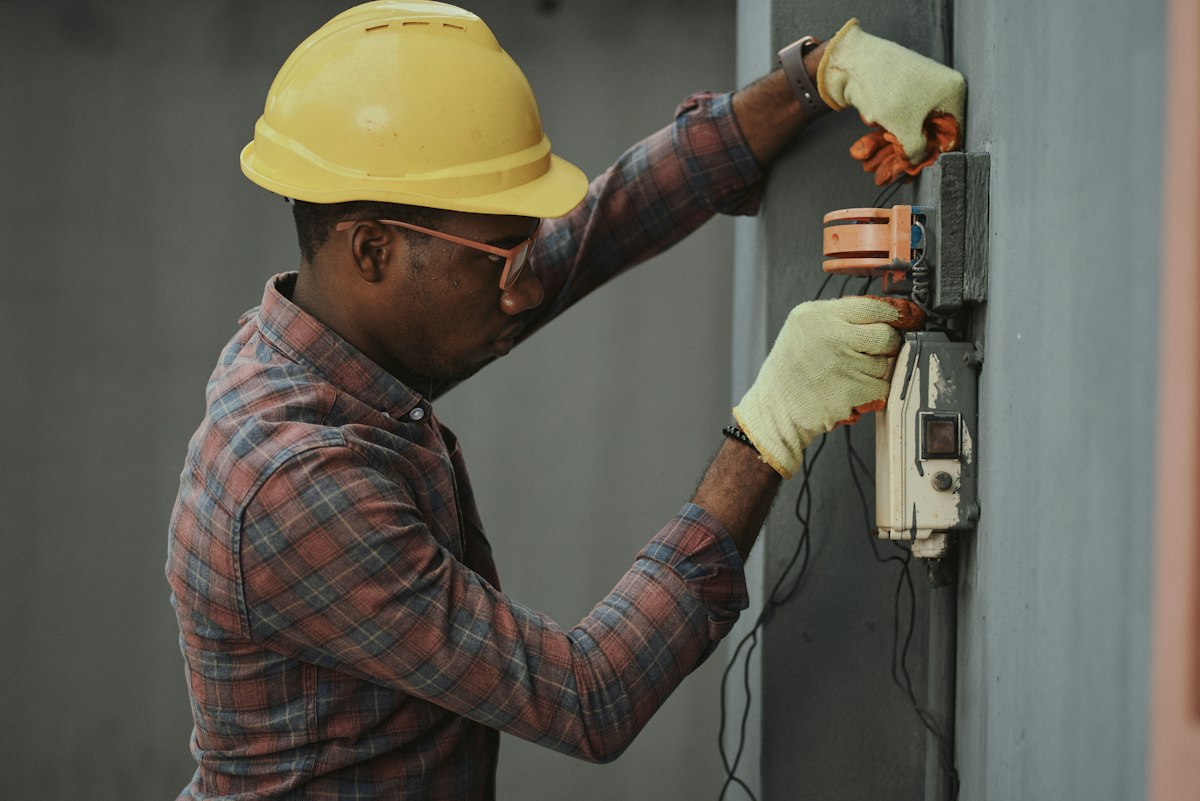
Pipeline Rehab Coating Application Methods and Techniques
The application method for pipeline rehabilitation coatings is determined by pipe diameter, length, access points, material type, and specified system. Modern pipeline rehab coating contractors employ a range of sophisticated application techniques to achieve uniform, void-free coating films that meet or exceed performance specifications.
Spray Application Systems for Pipeline Rehabilitation
Plural-component spray systems are the primary application method for liquid-applied pipeline rehab coatings. These systems precisely meter and heat the A and B components (resin and isocyanate for polyurea; base and curing agent for epoxy) before mixing at the spray gun tip. For interior pipeline rehabilitation coating work, specialized centrifugal spray heads and rotating drum applicators are mounted on self-propelled inspection and application vehicles (PIGs — Pipeline Inspection Gauges) that travel through the pipe interior, applying coating at precise, validated thicknesses.
Key application parameters for pipeline rehab coatings include: substrate temperature (must be at least 5°F above dew point), ambient humidity (critical for moisture-sensitive polyurea systems), application temperature (typically 130–160°F for spray polyurea), application speed (travel rate of the spray device), and wet film thickness (WFT) measurements taken in real time to verify dry film thickness (DFT) compliance.
Polyurea Pipeline Coatings: The Gold Standard in Pipeline Rehabilitation
⭐ Polyurea pipeline rehabilitation coatings have emerged as the premium solution for the most demanding pipeline rehab applications, offering unmatched combinations of cure speed, physical properties, flexibility, and chemical resistance that no other single coating technology can match.
Pure polyurea pipeline coatings are formed through the rapid reaction of an isocyanate component (Component A) with an amine-terminated polyether resin and chain extender blend (Component B). This reaction occurs in milliseconds, producing a fully cured elastomeric coating with exceptional properties. For pipeline rehabilitation applications, polyurea coatings offer transformative advantages:
- Gel time of 3–8 seconds — eliminates sag or run on vertical surfaces inside pipelines, allows immediate return to service
- Tensile strength of 2,000–4,000+ PSI — bridges cracks and joints without cracking or delaminating
- Elongation at break of 300–800% — accommodates pipeline movement, thermal cycling, and ground settlement
- Shore D hardness range of 40–70 — balances toughness with flexibility for various service conditions
- Chemical resistance to pH 1–14 — compatible with virtually all water, wastewater, and many industrial fluids
- Temperature resistance from -40°F to 350°F — performs across all geographic and process conditions
- Zero VOC formulations available — complies with the strictest air quality regulations
- NSF 61 certified formulations — approved for direct contact with potable water
- 50+ year service life potential — documented in accelerated aging and real-world installations
Leading polyurea pipeline rehab coating manufacturers including ArmorThane, Rhino Linings, SPI (Specialty Products Inc.), Versaflex, and BASF have developed pipeline-specific polyurea formulations engineered to meet the unique demands of interior and exterior pipeline rehabilitation projects. These systems are available in spray-applied thicknesses ranging from 40 mils for light-duty corrosion protection to 250+ mils for full structural rehabilitation of severely deteriorated pipes.

Epoxy Pipeline Coatings for Rehabilitation
Epoxy pipeline rehab coatings represent the most widely used category of pipeline rehabilitation coatings, with decades of documented performance in water, wastewater, oil, and gas pipeline applications. Modern high-build epoxy systems for pipeline rehabilitation are formulated for film builds of 20–250+ mils per coat, allowing contractors to fill pits, cracks, and voids while providing a smooth, hydraulically optimized interior surface.
For potable water pipeline rehabilitation, epoxy coatings must meet the requirements of NSF/ANSI Standard 61 (NSF 61), which certifies that the coating does not leach harmful contaminants into drinking water at levels that exceed health-based maximum contaminant levels (MCLs). NSF 61 certified pipeline rehab epoxy coatings are available from manufacturers including Tnemec, Sherwin-Williams, BASF MasterProtect, Sauereisen, and others.
Key epoxy coating types used in pipeline rehabilitation include solvent-free epoxy (100% solids, low odor, suitable for confined space application), coal tar epoxy (excellent moisture resistance, used for buried exterior pipe protection), novolac epoxy (enhanced chemical resistance for industrial and wastewater applications), and glass-flake epoxy (reinforced barrier properties for aggressive environments).
CIPP and Structural Liner Coatings for Pipeline Rehabilitation
Cured-in-place pipe (CIPP) technology represents the structural end of the pipeline rehab coatings spectrum. Rather than simply coating the pipe interior, CIPP systems install a new structural pipe within the deteriorated host pipe using a resin-saturated textile liner that is inflated and cured in place using hot water, steam, or UV light. The result is a fully structural, jointless new pipe that meets or exceeds the pressure and flow requirements of the original pipeline.
CIPP pipeline rehabilitation is governed by ASTM F1216 (gravity sewer applications), ASTM F1743 (pressure pipe applications), and AWWA C640 (water main rehabilitation). The resins used in CIPP liners are primarily polyester, vinyl ester, and increasingly epoxy, with epoxy CIPP offering the highest performance for pressure pipelines and chemically demanding environments.
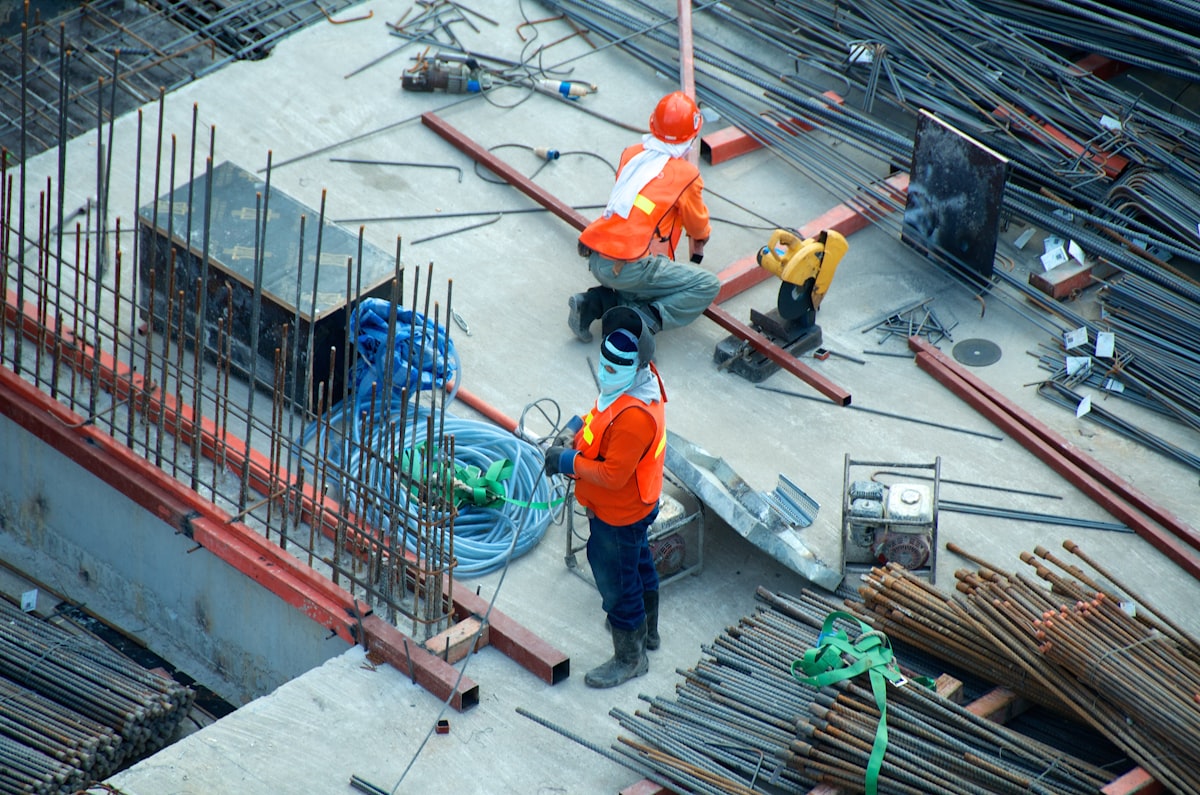
Quality Control and Inspection for Pipeline Rehab Coatings
Quality control (QC) is non-negotiable in pipeline rehabilitation coating projects. The confined, inaccessible nature of pipeline interiors means that coating defects that go undetected during application can lead to accelerated failure, costly remediation, and potentially catastrophic pipeline failures. A comprehensive pipeline rehab coating QC program includes pre-application, in-process, and post-application inspections.
Pre-application QC includes verification of material certifications and batch conformance, substrate temperature and dew point measurements, surface cleanliness and profile measurements (using replica tape per ASTM D4417 or electronic profilometry), and applicator certification verification. In-process QC includes real-time wet film thickness measurements, visual inspection for sags, runs, or missed areas, and continuous monitoring of application equipment parameters. Post-application QC includes dry film thickness measurement (SSPC-PA 2), holiday detection (NACE SP0188), pull-off adhesion testing (ASTM D4541), and hardness verification.
Cost Analysis: Pipeline Rehab Coatings vs. Full Pipe Replacement
One of the most compelling arguments for pipeline rehabilitation coatings is the dramatic cost advantage over traditional dig-and-replace methods. When total lifecycle costs are considered — including excavation, traffic control, service interruption, pavement restoration, environmental compliance, material, labor, and restoration — pipeline rehab coatings typically cost 40–75% less than full pipe replacement for comparable service outcomes.
📈 Typical Cost Comparison: 24-inch Water Main Rehabilitation (1,000 LF)
| Method | Estimated Cost | Downtime | Service Life |
|---|---|---|---|
| Open-Cut Replacement | $800,000–$1,200,000 | 4–8 weeks | 50+ years |
| Polyurea Spray Lining | $150,000–$280,000 | 2–5 days | 50+ years |
| Epoxy Spray Lining | $120,000–$220,000 | 3–7 days | 30–50 years |
| CIPP Lining | $200,000–$380,000 | 3–7 days | 50+ years |
*Cost estimates are representative ranges. Actual costs vary significantly based on location, pipe condition, access, material costs, and market conditions. Consult qualified pipeline rehab coating contractors for project-specific estimates.
Regulatory Standards and Compliance for Pipeline Rehab Coatings
Pipeline rehabilitation coatings are subject to a comprehensive framework of regulatory standards and industry specifications that govern material performance, application methods, quality control, and environmental compliance. Understanding and complying with these standards is essential for specifiers, contractors, and asset owners involved in pipeline rehab projects.
The primary regulatory and standards bodies governing pipeline rehab coatings include AWWA (American Water Works Association) for water infrastructure, AMPP (Association for Materials Protection and Performance) — formerly NACE/SSPC — for corrosion protection and coatings, ASTM International for material testing and product standards, NSF International for health-based certification of products in contact with drinking water, and EPA for environmental compliance related to VOC emissions, hazardous waste, and discharge.
Real-World Case Studies: Pipeline Rehab Coatings in Action
🌏 Case Study 1: Municipal Water Main
Location: Midwest U.S. | Pipe: 36-inch cast iron, 1955 vintage | Condition: Severe tuberculation, 40% capacity reduction | Solution: Polyurea spray lining, 125 mils | Result: Full hydraulic capacity restored, $2.8M savings vs. replacement, 6-day project duration.
🏭 Case Study 2: Industrial Wastewater Pipeline
Location: Gulf Coast refinery | Pipe: 24-inch carbon steel effluent line | Condition: Severe H₂S corrosion, wall loss >50% | Solution: 100% solids epoxy novolac, 80 mils + polyurea topcoat 60 mils | Result: 15-year asset life extension, $4.1M cost avoidance.
How to Choose the Right Pipeline Rehab Coating System
Selecting the optimal pipeline rehabilitation coating system requires a systematic evaluation of project-specific factors. There is no single “best” pipeline rehab coating — the right system depends on the intersection of pipe material, pipe condition, service environment, access constraints, performance requirements, regulatory requirements, and budget. Use this decision framework to guide your pipeline rehab coating selection:
- Characterize the pipeline asset: pipe material (steel, ductile iron, concrete, PVC, clay), diameter, age, condition class, history of failures, current wall thickness measurements, and remaining structural capacity.
- Define the performance requirements: minimum service life (typically 25–50 years), pressure rating, chemical resistance requirements, hydraulic requirements (Manning’s n coefficient or Hazen-Williams C factor), flexibility requirements for seismic or unstable ground conditions.
- Assess the service environment: conveyed medium (potable water, wastewater, oil, gas, chemicals), pH range, temperature range, presence of H₂S or other aggressive gases, abrasive content of flow stream.
- Evaluate regulatory requirements: NSF 61 for potable water contact, AWWA standards for water infrastructure, state and local environmental regulations for VOC emissions and confined space work.
- Analyze access and logistics: available access points, pipe diameter relative to manway entry requirements, proximity to sensitive receptors (schools, hospitals), traffic impacts, and timeline constraints.
- Conduct a lifecycle cost analysis: compare total installed cost plus maintenance over the required service life for the top 2–3 candidate systems. Include energy savings from improved hydraulics — often 5–15% reduction in pumping energy after pipeline rehab coating application.
- Require qualified contractor certification: verify that prospective contractors hold current manufacturer certification, SSPC QP-1 or equivalent quality management certification, and can provide documented references for comparable pipeline rehab coating projects.
Frequently Asked Questions About Pipeline Rehab Coatings
Q: How long do pipeline rehab coatings last?
A: Modern pipeline rehabilitation coatings, when properly specified, applied, and maintained, can achieve service lives of 25–50+ years. Polyurea pipeline coatings have demonstrated exceptional durability in accelerated aging tests and real-world installations. Epoxy coatings typically have service lives of 20–40 years depending on service conditions. CIPP liners are designed for 50-year structural service lives per ASTM standards.
Q: Can pipeline rehab coatings be applied to any pipe material?
A: Pipeline rehabilitation coatings can be successfully applied to virtually all common pipe materials including cast iron, ductile iron, steel, concrete (including prestressed concrete cylinder pipe — PCCP), reinforced concrete pipe (RCP), clay tile, PVC, HDPE, and fiberglass. The coating system, surface preparation method, and application technique must be selected specifically for the substrate material. Primer selection is particularly critical for non-metallic substrates.
Q: What is the minimum pipe diameter for interior pipeline rehab coating?
A: The practical minimum diameter for robotic/remotely operated interior pipeline rehab coating application is typically 4 inches for spin-cast centrifugal systems and 6–8 inches for more complex plural-component spray systems. For pipes 18 inches and larger, manned entry is generally feasible (subject to confined space regulations and local OSHA requirements), allowing hand-applied or conventional spray application. Small-diameter pipe rehabilitation (4–12 inches) relies primarily on specialized robotic applicators.
Q: Are pipeline rehab coatings safe for drinking water?
A: Yes — NSF/ANSI 61 certified pipeline rehabilitation coating systems have been rigorously tested and approved for direct contact with potable water. Both polyurea and epoxy formulations with NSF 61 certification are widely used in municipal water transmission and distribution system rehabilitation. Always verify NSF 61 certification from the specific manufacturer and batch before use in potable water applications. The certification lists approved thicknesses, pipe diameters, and service conditions that must be followed to maintain compliance.
Written By
Tyler Gleckler
Coatings Specialist | Technical Writer | Pipeline Rehabilitation Expert
Tyler Gleckler is a recognized authority in protective coatings and pipeline rehabilitation technology with extensive hands-on experience in polyurea, epoxy, and specialty coating systems across water, wastewater, oil & gas, and industrial infrastructure sectors. With a career spanning certified application, inspection, specification writing, and technical consulting, Tyler brings real-world expertise to every article he writes.
Tyler is a contributing writer and technical expert for industry-leading publications and organizations including Polyurea Magazine, ArmorThane, the American Polyurea Organization, and other coatings industry platforms. His technical articles, case studies, and specification guides have helped engineers, contractors, and asset owners navigate the complexities of modern pipeline rehabilitation coating systems.
Published in: Polyurea Magazine | ArmorThane Technical Library | American Polyurea Organization | Pipeline Rehab Coatings | Protective Coatings Industry Journals